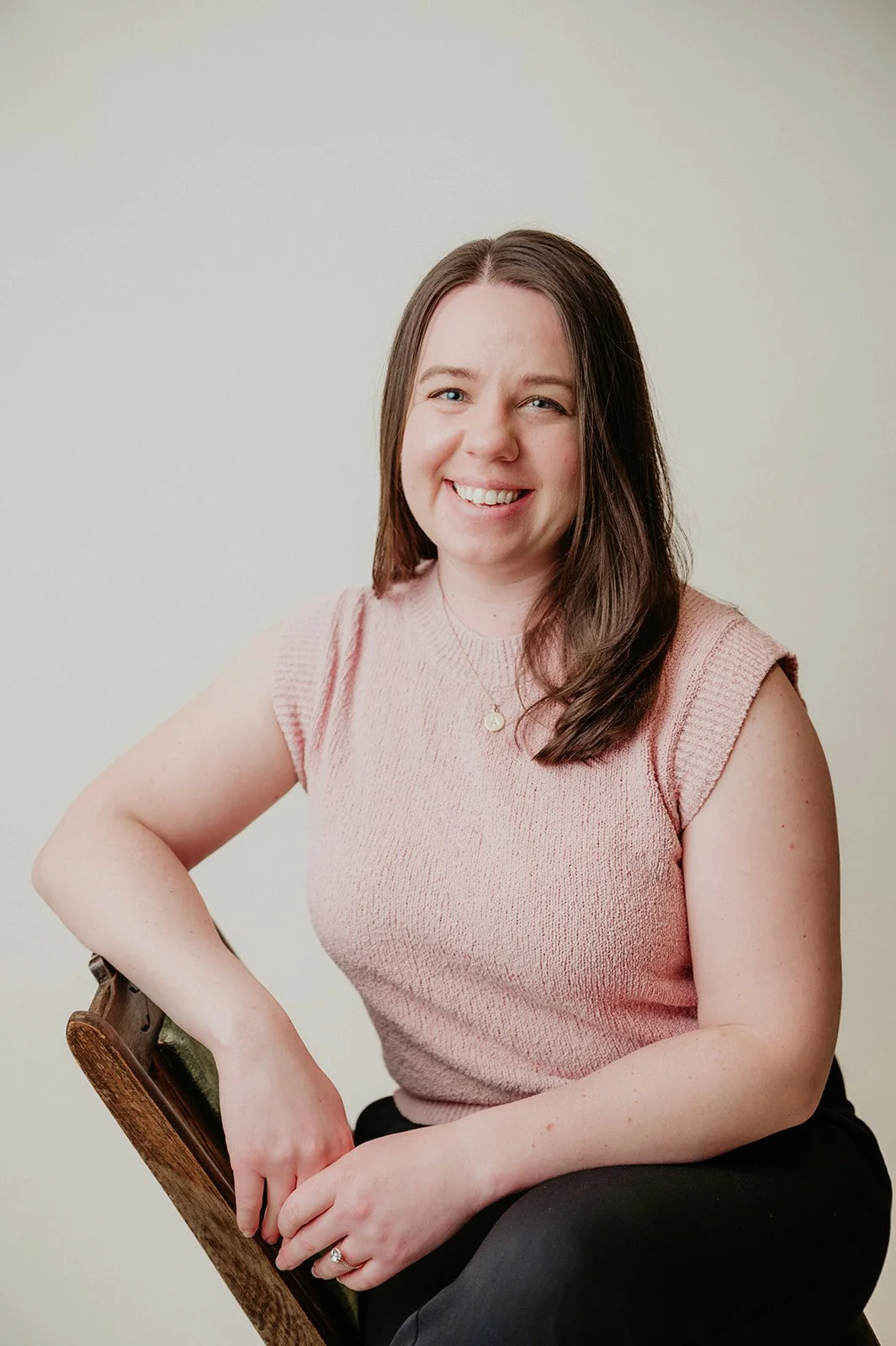
Dr. Ali Thiel, PhD
I'm a licensed psychologist specializing in eating disorders and anxiety. I work with adults navigating anorexia, orthorexia, bulimia, binge-eating disorder, ARFID, OCD, emetophobia, generalized anxiety, social anxiety, panic disorder, health anxiety, and PTSD. I meet with clients via telehealth in Washington and all PSYPACT states.
My Path To This Work
My path to this work started with curiosity. Early in my training, I found myself wanting to understand eating disorders more deeply, not just as a clinician, but as a human being trying to make sense of real suffering. The more I learned, the more I came to appreciate how much makes sense about eating disorders when put into context: the social pressures, the fear of not belonging or being loved, and the way that eating disorder behaviors can soothe overwhelming emotions when other options feel out of reach. That curiosity has grown into deep empathy and a genuine commitment to helping people find their way out of patterns that once served a purpose but now create more problems.
Anxiety drew me in for different reasons. So many people I work with describe feeling utterly trapped by their fear, desperate for any way out of the dread that follows them through their days. Avoidance becomes the only tool that seems to work, but it steadily makes the world smaller and smaller over time. There's something I find remarkable about watching someone face the thing they've avoided for years and discover that they can survive it, and then do it again and again, until the fear loses its grip. The confidence that my clients build through that process is unlike anything else I get to witness in this work.
Training & Background
I completed my doctoral training at the University of Wyoming and my predoctoral internship at Charleston Area Medical Center/West Virginia University's Department of Behavioral Medicine in Charleston, where I gained experience in outpatient treatment for eating disorders, anxiety, and DBT. My postdoctoral fellowship was at the Evidence Based Treatment Centers of Seattle (EBTCS), one of the Pacific Northwest's leading centers for eating disorder and anxiety treatment. I subsequently worked as a staff psychologist at EBTCS, seeing clients through both the Eating Disorders Center and the Adult Anxiety Center and receiving specialized training in treating anxiety and OCD.
Throughout my training and career, I have worked extensively with Cognitive Behavior Therapy (CBT), Exposure and Response Prevention (ERP), Dialectical Behavior Therapy (DBT) skills, Motivational Interviewing, and the Intuitive Eating framework. My work is always grounded in the research and always adapted to the individual in front of me.
How I Work
My sessions are warm and structured. We set an agenda together at the start of each session, so there's a clear purpose to our time while also allowing space for what's actually happening in your life that week. I'm interested in getting to know you as a whole personbeyond just your symptoms.
I think of evidence-based practice as a starting point, not a script. The research tells me what tends to help most people, and then I think carefully about how to apply that to you by factoring in your history, identity, and life circumstances. Though I will sometimes recommend things that feel challenging or unfamiliar, I will always take the time to explain why and make sure you feel informed every step of the way.
Therapy is hard work and includes practice between appointments. Change happens not just from understanding things differently, but from doing things differently until new ways of responding become more natural.
What Keeps Me In This Work
I love learning about my clients. I’m not just interested in their struggles, but also who they are as a person: the hobbies they're passionate about and the kind of life they're hoping to build. When clients have wins in therapy and beyond, I'm genuinely excited and want more of that for them.
It's a privileged position, being trusted with someone's pain. Clients often share things with me that no one else in their life knows and I don't take that lightly. That trust, built carefully over time, is what makes change possible.
My goal is straightforward, even when the work isn't: I want more for my clients than the life their eating disorder or anxiety has been allowing them.
Professional Credentials
Licensure
Washington Psychologist License: PSYC.PY.61000934 (under Alexandra Thiel)
Authority to Practice Interjurisdictional Telepsychology (APIT) granted by the PSYPACT Commission, APIT Mobility Number: 16681
Education
Ph.D. in Clinical Psychology, University of Wyoming
M.A. in Psychology, University of North Dakota
B.A. in Psychology, University of Notre Dame
Training & Experience
Staff Psychologist, Eating Disorders Center and Adult Anxiety Center, Evidence Based Treatment Centers of Seattle
Postdoctoral Fellowship in Eating Disorders, Evidence Based Treatment Centers of Seattle
Predoctoral Internship, West Virginia University Department of Behavioral Medicine, Charleston/Charleston Area Medical Center